Thinking about house hacking in Highland but not sure if a duplex or an ADU makes more sense? You are not alone. In 80211, zoning, historic overlays, and market demand all play a role in which path works best. In this guide, you will compare the two strategies, learn what to check on a specific property, and see how financing, costs, timelines, and resale potential stack up. Let’s dive in.
Highland 80211: why house hacking works
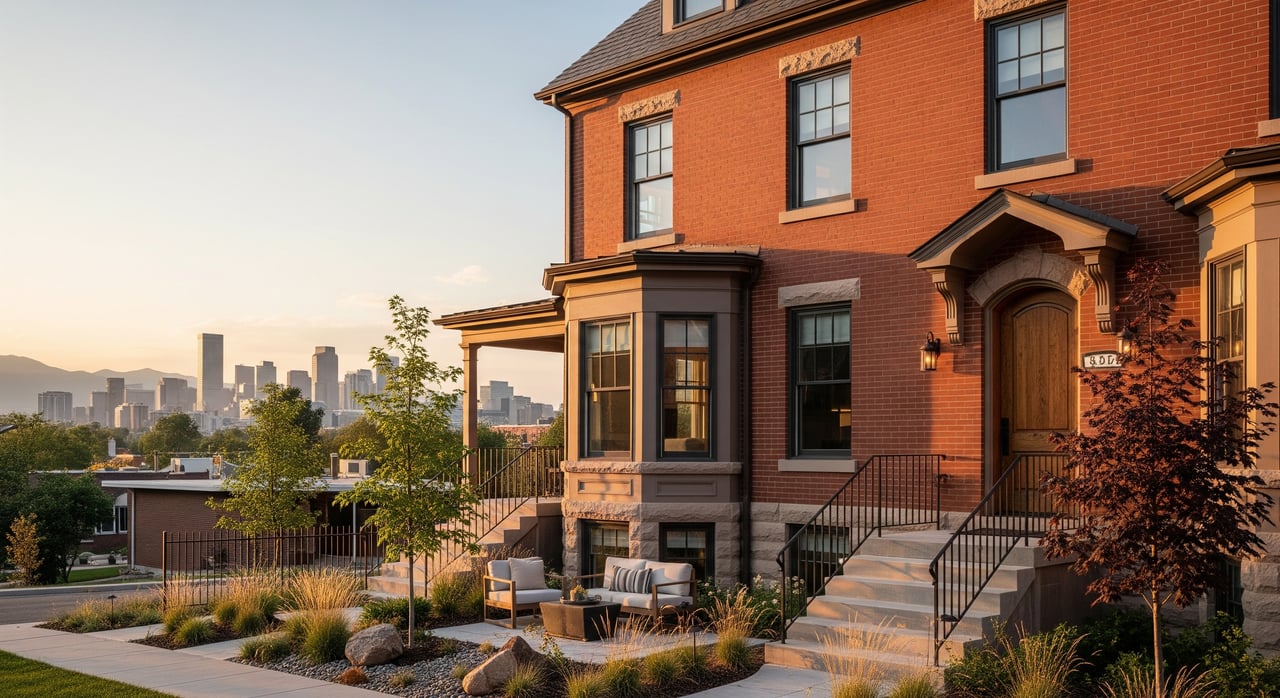
Highland sits just northwest of downtown Denver with a blend of historic homes, rowhouses, and small multi-family buildings. Demand for rentals is steady thanks to proximity to dining, transit, and the central business district. This makes house hacking appealing if you want to offset your housing costs while living in a high-amenity neighborhood.
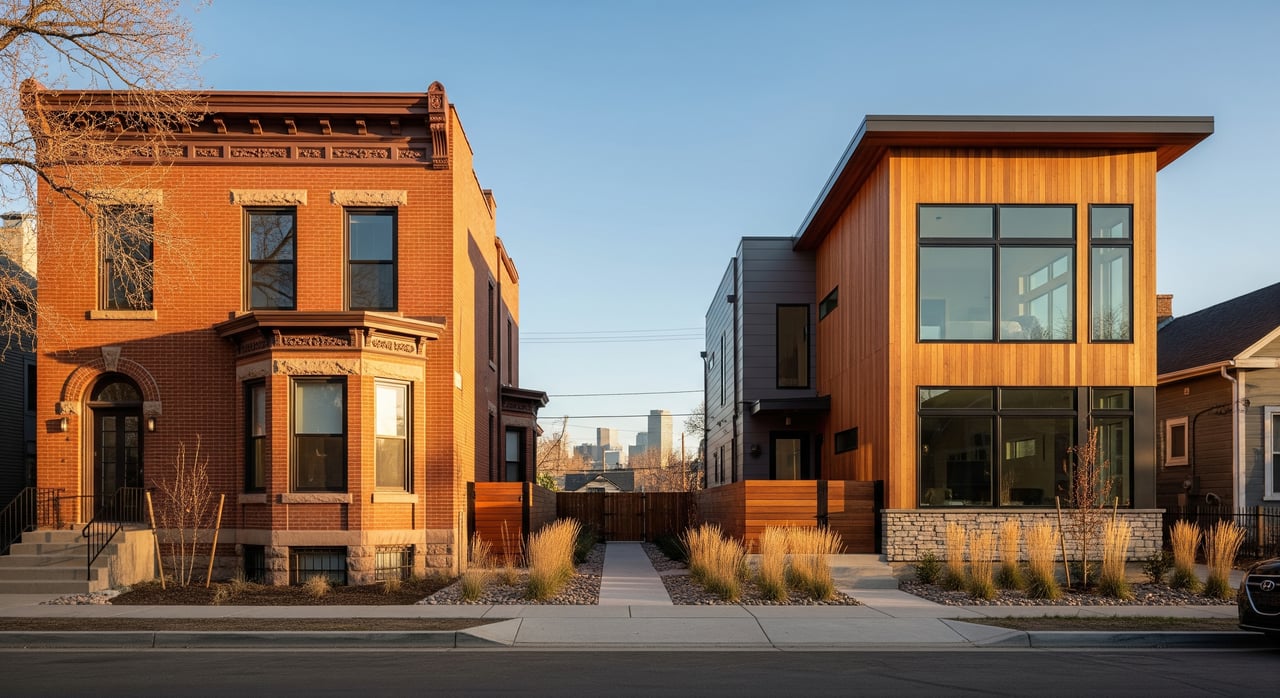
Many homes are older and may fall under historic-district review. That matters when you consider a detached ADU or any exterior changes. Zoning varies block by block as well, so some parcels allow multi-unit buildings while others favor a single-family home with an accessory unit.
Duplex vs ADU: the basics
What is a duplex?
A duplex is a single building with two separate dwelling units. Each unit typically has a distinct entrance and may have separate utilities. Lenders often consider this a 2‑unit property for underwriting.
What is an ADU?
An accessory dwelling unit is a secondary, smaller home on the same lot as a primary single-family residence. ADUs can be detached, attached, or internal, such as a basement or garage conversion. They remain subordinate to the main home in use and size.
What zoning allows on your lot
Denver allows ADUs in many residential zones, but the rules for size, height, setbacks, and parking depend on the zoning district. Duplexes are allowed in certain zones and on certain lots, sometimes only with existing legal status or after a review process.
Before you decide:
- Confirm the property’s zoning district and permitted uses.
- Check if the home is in a historic district or has landmark status. Exterior changes may require review that can add time and cost.
- Look for recorded covenants or HOA rules that limit rentals or accessory structures.
If you are eyeing a specific address in Highland, zoning and historic review will often be the deciding factors between a duplex and an ADU.
Timeline to rental income
Buying an existing duplex generally produces rental income sooner, since you can occupy one unit and lease the other when you close, subject to leases and condition.
Building or converting an ADU requires design, permits, and construction. Simple internal conversions can sometimes move through plan review in a few months. New detached ADUs or projects in historic districts can take several months to a year or more before you collect rent.
Upfront costs to plan for
Costs vary with scope, finishes, and site conditions, but these ranges can help you plan:
- Internal ADU conversion: often from the lower tens of thousands into the $100k+ range, depending on egress, plumbing, and code upgrades.
- Detached ADU: commonly in the $100k–$300k+ range due to new foundation, full utilities, and site work.
- Duplex purchase: higher purchase price than a comparable single-family, yet you get immediate income potential without building.
Common cost drivers include new utility connections, separate meters, stormwater requirements, parking solutions, and historic review. A realistic budget that includes contingency is essential.
Financing and qualifying differences
A duplex is typically financed as a 2‑unit property. Many conventional lenders, plus FHA and VA programs, allow owner-occupied 2–4 unit purchases. FHA has historically allowed down payments as low as 3.5% for eligible buyers and qualifying properties. Lenders often count a portion of projected or actual rental income toward your qualification.
An ADU on a single-family lot is often financed with standard 1‑unit mortgage products, especially when the ADU remains accessory to the main home. This can be useful if you prefer single-family underwriting. Rental income from an ADU may be treated more conservatively, often requiring a lease history or market rent analysis.
For both paths, lenders and appraisers like clear unit delineation. Separate meters and recognized legal status reduce friction in underwriting and appraisal.
Operations, insurance, and compliance
If you live in one unit and rent the other, be sure your insurance covers both your residence and landlord exposure. A tailored homeowner or dwelling policy is important, and you should notify your insurer of the rental use.
Decide how you will handle utilities, entrances, and parking. Separate meters simplify accounting and can shift utility costs to the tenant, but they add upfront expense. Also decide whether you will self-manage or hire a property manager. Short-term rentals are regulated locally and require licenses and compliance steps if that is part of your plan.
Cash flow and rent expectations
To estimate income, look at comparable rentals in 80211 for similar bedroom counts and finishes. Then apply realistic assumptions for vacancy, maintenance, insurance, property taxes, and any management fees. A typical vacancy reserve in stable areas is often 5–10 percent. Maintenance can run 1–3 percent of property value annually, plus reserves for capital items.
A duplex often produces higher gross rent because you have two full units. An ADU can still offset a large portion of your mortgage while preserving single-family appeal and sometimes lower total cost to create the second unit. Your results will depend on your purchase price, interest rate, construction costs, and how quickly you can bring space to market.
Resale outlook in Highland
Duplexes tend to attract investors and owner-occupants who value rental income. Pricing often reflects gross rent potential and prevailing cap rates.
Single-family homes with ADUs can appeal to a broader pool that values flexibility, guest space, or supplemental income without moving into a dedicated multi-unit building. In historic areas, buyers may prefer ADUs that preserve the home’s exterior character, which can make internal conversions or discreet additions more appealing.
Decision framework: choose your best path
Use these factors to compare your options:
- Legal permissibility: What does your zoning and lot allow today with the least friction?
- Financing: Do you qualify more easily for a 2‑unit mortgage or prefer single-family terms?
- Capital and cost: Is buying an existing duplex or building an ADU the more economical route for your budget and timeline?
- Speed to income: Do you need rent soon, or can you wait for plans, permits, and construction?
- Resale strategy: Which configuration fits the likely buyer pool for your property in Highland?
- Historic and site constraints: Will exterior changes face limits or delays that favor an internal ADU over a detached structure?
Quick guidance:
- Choose a duplex if you want maximum rent potential now, can qualify for multi‑unit financing, and value separate utilities and entrances out of the gate.
- Choose an ADU if you prefer single‑family ownership, want flexibility for guests or home office use, or your lot and zoning make a smaller accessory unit the fastest path to legal income.
Due diligence checklist for 80211 buyers
- Confirm the property’s zoning district and permitted uses.
- Verify historic district or landmark status and any required reviews.
- Check recorded covenants or HOA rules that may restrict rentals or accessory units.
- Obtain recent utility bills and assess the feasibility and cost of separate meters.
- Order a survey to confirm buildable area, setbacks, and easements.
- Review prior permits and confirm the legal status of any existing units.
- Get a full condition inspection focused on structure and code requirements for conversions.
- Secure preliminary contractor quotes and timelines for an internal or detached ADU.
- Speak with multiple lenders about 1‑unit with ADU vs 2‑unit financing and how they treat rental income.
- Consult a CPA and insurance agent about taxes, depreciation, and the right coverage.
Ready to compare real properties and run numbers specific to Highland? Our team pairs local knowledge with investor‑friendly analysis to help you decide between a duplex or an ADU, including off‑market options when available. Book a Consultation through Luxury Presence and get a clear plan for your next move.
FAQs
Cash flow in Highland: duplex or ADU?
- A duplex often produces higher gross rent since you have two full units, while an ADU supplements income with a smaller footprint and potentially lower creation cost.
Zoning in 80211: what should I check first?
- Start with the property’s zoning district, then verify any historic overlay and parking requirements, since those factors often determine whether a duplex or ADU is feasible.
Financing: will lenders count rental income?
- Many programs for 2–4 units count a portion of rental income, while ADU income is handled more conservatively and may require leases or market rent support.
Permitting timeline: how long until I can rent?
- Internal conversions can sometimes clear review in a few months, while detached ADUs or projects in historic districts may take many months before you can lease.
Insurance: what coverage do I need as an owner‑occupant?
- You will typically need homeowner coverage tailored for a rental component or a landlord policy for the rented unit, plus liability protection that matches your setup.